 EN
EN

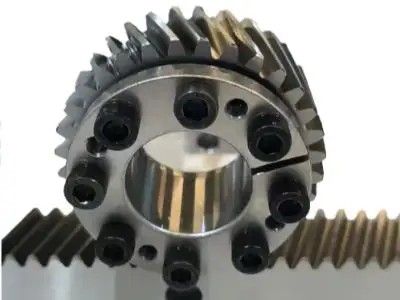
When it comes to machines that move and work, two important parts are linear guide rails and ball screws. Both of these components help machines operate smoothly. They are used in many different industries, like manufacturing and robotics. Haorongshengye offers these products, and we know how essential they are in helping machines perform well. Linear guide rails help with straight movement, while ball screws help with turning motion into straight motion.
How Do Linear Guide Rails Enhance Precision in Motion Systems?
Linear guide rails are crucial for machines that need to move in straight lines. They are like smooth tracks that allow parts of a machine to slide back and forth without wobbling or shaking. This is important because if a machine moves imprecisely, it can create problems. For example, in a factory, if a robotic arm is not precise, it could drop items or miss its target. Linear guide rails keep the movement steady, which means better accuracy. They often come with ball bearings inside, which help reduce friction. Less friction means the machine can move faster and with less effort.
Find the Best Wholesale Deals on Linear Guide Rails and Ball Screws
If you are looking to buy linear guide rails or ball screws, knowing where to find them is important. Haorongshengye is a great place to start. We offer a variety of products at wholesale prices, which means you can get good quality without spending too much money. When looking for deals, it helps to buy in bulk. This way, you not only save money but also have enough parts for future projects. Another good tip is to check if the company has special offers or discounts. Sometimes, manufacturers have sales events that can help you save even more. When buying, make sure to look at the specifications to ensure that the parts are the right fit for your machines.
Common Usage Issues with Linear Guide Rails and Ball Screws?
When using linear guide rails and ball screws, there can be some common problems that users face. Linear guide industrial worm gear are designed to help machines move smoothly and accurately. However, one issue is that dirt and dust can get into the guide rails. When this happens, it can make the movement less smooth, and it might even cause the machine to stop working properly. It's like trying to slide on a dirty floor; it just doesn’t feel right! Additionally, if the guide rails are not installed correctly, they can wear out faster. This means that regular checks and maintenance are needed to keep everything working well.
Benefits Do Linear Guide Rails Offer Over Ball Screws in Industrial Settings?
Linear guide rails have some great benefits that make them popular in factories and other industrial places. One big advantage is that they provide very smooth movement. When parts need to move back and forth or side to side, linear guide stainless worm gear help them do this without any bumps. This is really important for machines that need to be very precise, such as in making parts for cars or computers. Smooth movement helps to make sure that everything fits together just right.
Trending Innovations in Linear Guide Rail and Ball Screw Technology?
Technology is always changing, and there are some exciting new ideas in linear guide rails and ball screws. One big trend is the use of smart technology. This means that some stainless steel worm gear guide rails and ball screws can now have sensors built into them. These sensors can track how well the parts are working, and they can send information to computers. This helps factories know if something is wrong before it becomes a big problem. For example, if a linear guide rail is getting dirty or worn out, the sensor can alert the workers so they can clean or replace it in time.
Table of Contents
- How Do Linear Guide Rails Enhance Precision in Motion Systems?
- Find the Best Wholesale Deals on Linear Guide Rails and Ball Screws
- Common Usage Issues with Linear Guide Rails and Ball Screws?
- Benefits Do Linear Guide Rails Offer Over Ball Screws in Industrial Settings?
- Trending Innovations in Linear Guide Rail and Ball Screw Technology?